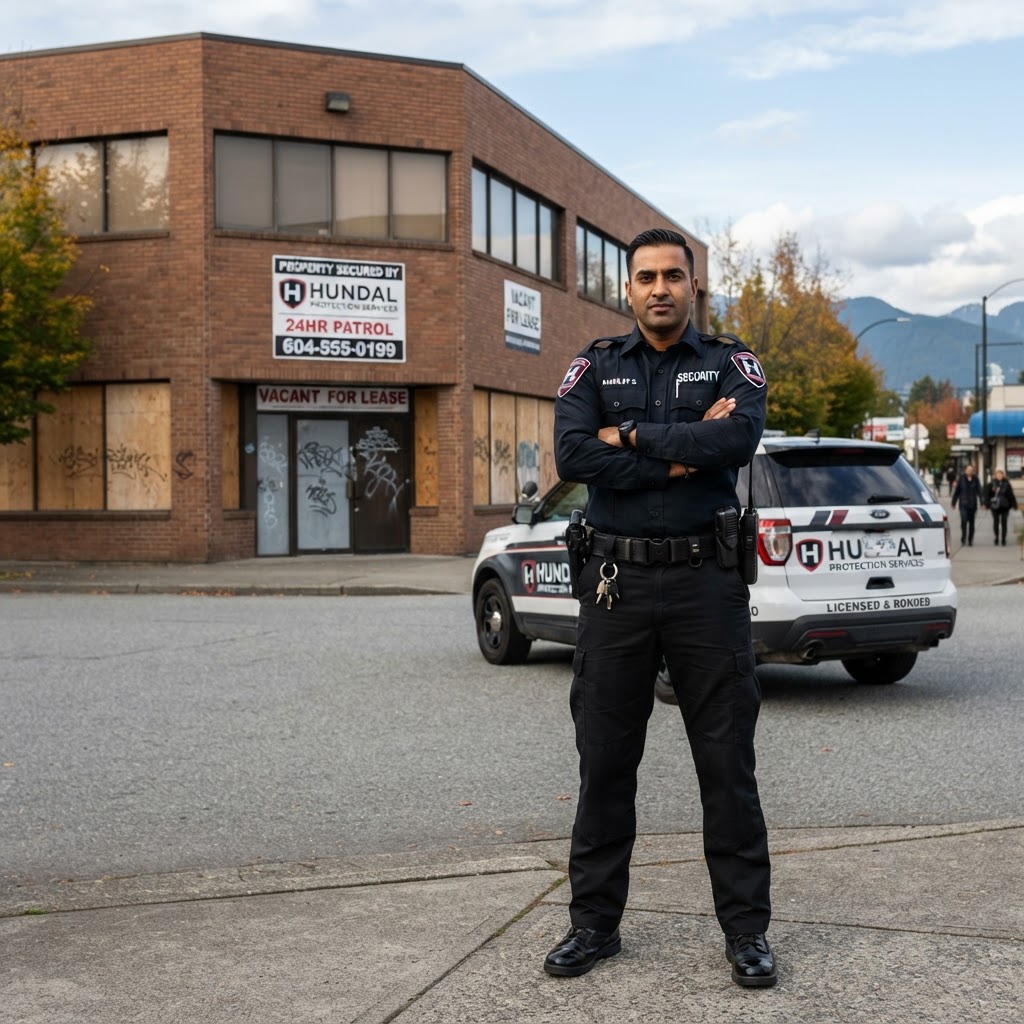
Vacant Property Security for Canada Businesses and Homes
Vacant Property Security in Canada: How to Protect Empty Buildings in BC, Alberta and Ontario
An empty building is not an unimportant building. Vacant commercial units, unfinished developments, closed retail locations and unoccupied homes can attract trespassers, thieves, squatters and vandals. A small incident can quickly become water damage, a fire, stolen copper, a break-in or an insurance claim.
For owners, property managers, lenders and developers across Canada, vacant property security is about more than placing a sign at the entrance. It requires a practical combination of risk assessment, access control, inspections, lighting, technology and a documented response plan.
Why vacant properties need security
Empty properties often have fewer natural deterrents. There are no employees opening and closing doors, residents reporting unusual activity or customers creating regular foot traffic. Contractors may also have keys, temporary access codes or knowledge of valuable equipment on site.
Common risks include:
- Unauthorized entry, squatting and trespassing
- Theft of tools, copper wiring, HVAC equipment and building materials
- Vandalism, graffiti and property damage
- Arson, fire hazards and unsafe debris
- Water leaks, frozen pipes and storm damage
- Illegal dumping or unauthorized occupancy
- Delayed discovery of an incident, which increases repair costs
A property does not have to be fully empty to be vulnerable. A partially occupied building, a construction project between phases or a closed business after hours can have many of the same exposure points.
What does vacant property security include?
1. A documented security risk assessment
Start with a site assessment. A professional security provider should identify entry points, blind spots, lighting gaps, valuable assets, neighbouring risks, fire hazards and likely access routes. The assessment should also record who is authorized to enter, how access is approved and who receives an escalation call.
The right plan for a vacant warehouse will not be identical to the plan for a vacant house, retail unit or multi-storey development. Location matters too. A property in Vancouver, Calgary or Toronto may need different patrol timing, weather planning and coordination with property managers or local responders.
2. Scheduled mobile patrols
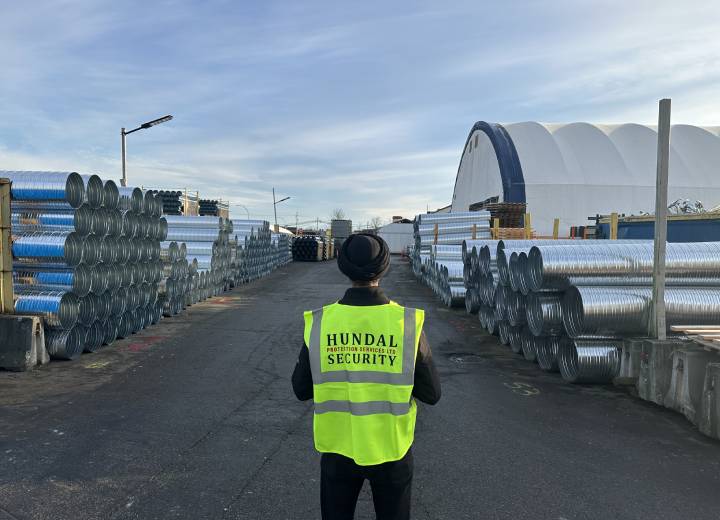
Mobile patrol security is often a cost-effective option when a full-time guard is not required. Guards can conduct scheduled and randomized visits, check doors and windows, inspect fencing, look for signs of forced entry, verify alarms and document conditions with time-stamped reports.
Randomized patrol times are useful because they make it harder to predict when a site is unobserved. Patrol frequency should reflect the risk, vacancy period, location and value of the property. High-risk sites may require overnight or multiple daily visits, while lower-risk properties may use a less frequent schedule supported by remote monitoring.
3. Access control and key management
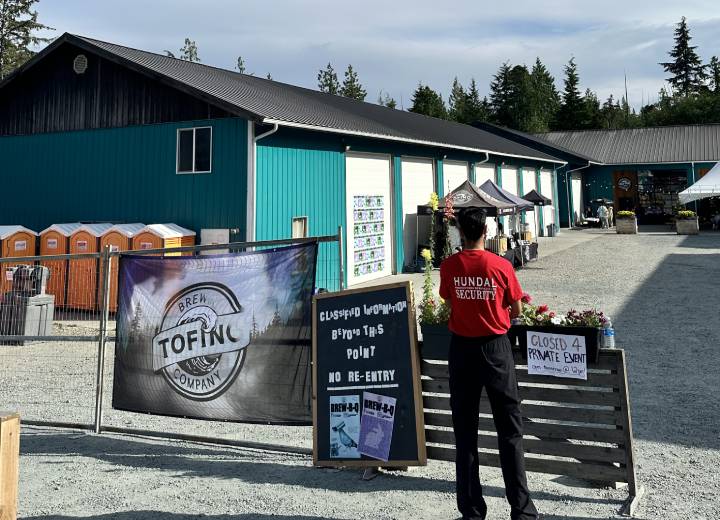
Every vacant property should have a clear access policy. Remove former staff access, change codes when contractors rotate and keep a current list of approved visitors. Guards should verify identification and authorization before allowing entry.
Physical measures may include reinforced doors, lockboxes managed by the security company, temporary fencing, window protection and secured service areas. These measures do not replace patrols, but they reduce the opportunity for unauthorized access.
4. Cameras, alarms and remote monitoring
Video surveillance and intrusion alarms can provide early warning, especially at isolated sites. Remote camera systems may use motion detection, low-light imaging and cellular connectivity where a permanent internet connection is unavailable.
Technology works best when a real person is responsible for reviewing an alert and following an agreed response process. A camera that records an incident but does not trigger a timely response may not prevent damage. Ask providers how alerts are verified, who is contacted, and how false alarms are handled.
5. Incident reporting and escalation
A quality vacant property security program produces more than a guard visit. It creates an evidence trail. Reports should note the date and time, areas checked, doors and windows, alarm status, observed hazards, photographs when appropriate and any action taken.
The escalation plan should identify the order of calls for a break-in, fire, water leak, safety hazard or suspicious person. Depending on the situation, this may include the property owner, manager, alarm monitoring company, emergency services, restoration contractor or insurance representative.
Regional considerations across Canada
British Columbia
BC properties may face heavy rain, wind, wildfire smoke and seasonal storm risks. Patrols should include drainage areas, roofs where safe to inspect, exterior electrical equipment and signs of water intrusion. In wildfire-prone areas, owners should also document vegetation, access routes and emergency contacts as part of broader business continuity planning.
Anyone hiring security workers in BC should confirm that guards hold the appropriate provincial security worker licences and that the security business is properly authorized.
Alberta
Alberta's cold winters can turn a small maintenance issue into major damage. Vacant property plans should address heating, frozen pipes, snow accumulation, ice, lighting and access for emergency or maintenance crews. Industrial, rural and suburban properties may also need larger patrol areas and reliable communications.
Ask whether the provider can supply Alberta-licensed security personnel and clear reporting for after-hours incidents.
Ontario
Ontario properties may experience freeze-thaw cycles, severe storms and high urban foot traffic. In Toronto, Mississauga, Ottawa and other communities, vacant retail and residential sites can attract repeated unauthorized entry. Good lighting, secure hoarding, patrols and fast alarm verification can help limit repeat incidents.
Ontario security guards must be licensed under the province's private security framework. Confirm licensing, insurance and the provider's experience with the property type before signing an agreement.
How much does vacant property security cost?
Pricing depends on the site's size, location, risk level, patrol frequency, technology and response requirements. Mobile patrols may be priced per visit or as a monthly service. On-site security guards are usually priced hourly, while cameras, alarm monitoring and emergency callouts may have separate fees.
The lowest quote is not always the lowest total cost. Compare what is included: patrol frequency, reporting, supervisor checks, alarm response, holiday coverage, equipment, insurance and the process for handling a confirmed incident. Request a written scope so providers are quoting the same responsibilities.
Vacant property security checklist
Before leaving a property empty, owners and managers should:
- Complete a documented site risk assessment.
- Secure or remove valuables, tools and combustible materials.
- Change keys, codes and access permissions.
- Test alarms, lighting and cameras.
- Arrange mobile patrols or on-site guarding based on risk.
- Check plumbing, heating and drainage before severe weather.
- Keep emergency contacts and an authorized visitor list current.
- Require written patrol and incident reports.
- Review insurance requirements and vacancy conditions.
- Reassess the plan whenever the property, season or neighbourhood risk changes.
Frequently asked questions
Is mobile patrol enough for a vacant property?
It can be enough for some lower-risk sites, but not all. A risk assessment should determine whether the property needs scheduled patrols, randomized checks, a static guard, remote monitoring or a combination.
Can security guards remove trespassers?
Guards can observe, document, enforce site access rules and contact police or emergency services when appropriate. Their authority depends on the circumstances and applicable law. A provider should explain the response procedure before service begins.
Should vacant buildings have security cameras?
Cameras can improve visibility and provide evidence, but they are most effective when paired with monitoring and a response plan. They should be positioned to cover likely entry points without creating privacy or compliance problems.
How do I hire a vacant property security company?
Ask for a site assessment, proof of licensing, insurance details, sample reports, references and a written response plan. Choose a provider that can explain exactly what happens when a patrol finds an open door, alarm, leak, fire hazard or unauthorized person.
Protect your vacant property before a small problem becomes a major loss
Vacancy creates predictable security gaps, but a layered plan can reduce exposure. Hundal Protection Services can help property owners and managers assess their needs and compare security options across BC, Alberta and Ontario. Contact the team to discuss mobile patrol, on-site guards, alarm response and vacant property protection.
Related Security Services

Written by
Hundal Protection Team
Security industry professional at Hundal Protection Services — a licensed multi-province security guard company serving BC, Alberta & Ontario since 2020. Our team holds valid security licences under BC, Alberta and Ontario regulations, carries $5M liability insurance, and maintains a 5.0 Google rating. All content is reviewed for accuracy and compliance with Canadian security industry standards.