Construction Site Security Guide for BC, Alberta and Ontario
What Security Should a Construction Site Have in Canada? A BC, Alberta and Ontario Guide
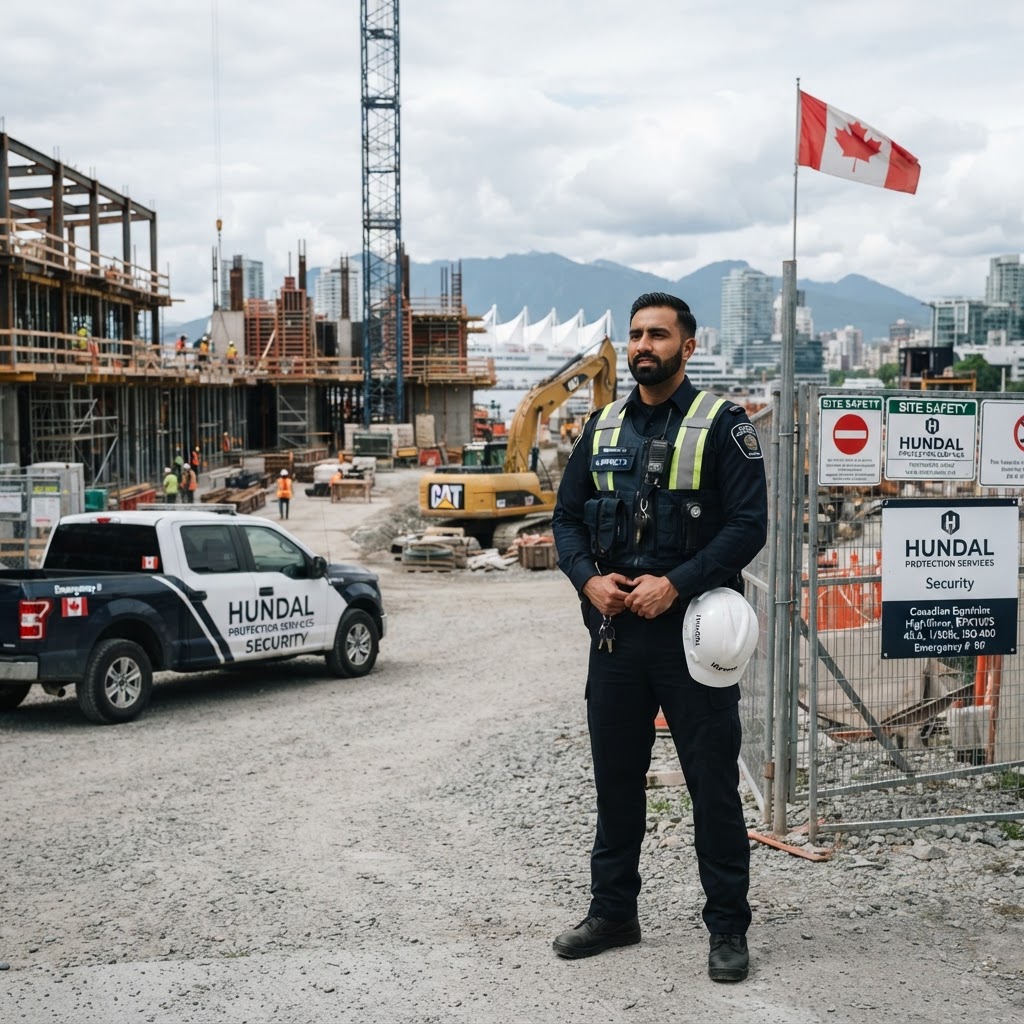
Construction sites are active workplaces by day and vulnerable properties after hours. Unsecured equipment, copper wiring, fuel, tools and building materials can attract thieves, while trespassing and vandalism can create serious safety and liability problems. A practical construction site security plan combines visible deterrence, controlled access, regular monitoring and a clear response process.
This guide explains what construction companies, developers and site managers in British Columbia, Alberta and Ontario should consider when hiring construction site security guards.
Why Construction Sites Need Dedicated Security
Construction sites change every day. Fences move, new entrances open, materials are delivered and expensive equipment may be left in place overnight. Standard commercial security measures are often not enough because a site may have uneven lighting, temporary structures, multiple access points and valuable assets spread over a large area.
The most common risks include:
- Theft of tools, fuel, copper and equipment
- Vandalism of buildings, vehicles and machinery
- Unauthorized entry by trespassers or curious members of the public
- Illegal dumping and property damage
- Fire, water leaks or other after-hours emergencies
- Safety incidents involving people who should not be on site
A trained security guard can identify unusual activity early, document incidents and contact emergency services or the site manager according to written procedures.
What Security Should a Construction Site Have?
1. Controlled access and visitor screening
Every construction site should have a defined access policy. Security personnel can monitor the main gate, check worker and subcontractor credentials, record deliveries and prevent unauthorized vehicles from entering. Visitor logs are especially useful when an incident occurs and the site manager needs to confirm who was present.
For larger projects, guards can coordinate with the general contractor to maintain approved worker lists and delivery schedules. This makes the gate more than a checkpoint: it becomes the first layer of site safety.
2. Perimeter patrols
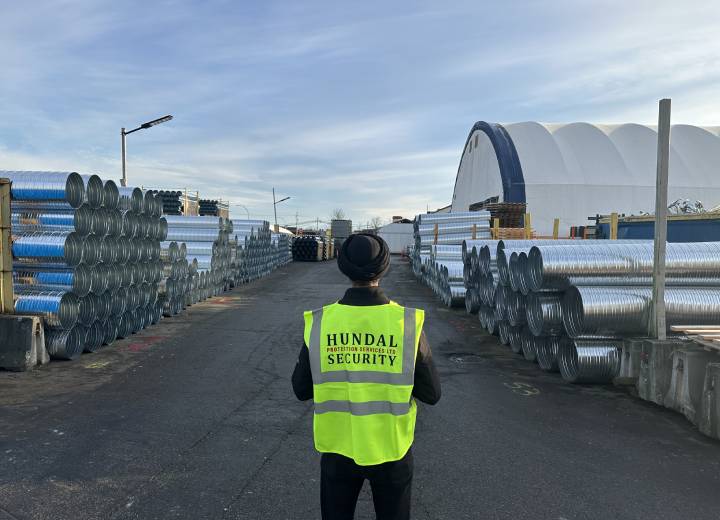
A visible patrol schedule helps protect fencing, storage areas, trailers, generators and parked equipment. Guards should inspect vulnerable areas rather than repeating the same route at predictable times. Mobile patrols can be a cost-effective option for smaller sites, while a dedicated on-site guard may be better for high-value or high-risk projects.
Patrol reports should record the time, location, conditions observed and any action taken. Consistent reporting helps identify patterns, such as repeated fence damage or activity near a particular storage container.
3. Lighting, cameras and alarm response
Technology works best when it supports trained personnel. Motion-activated lighting, CCTV cameras, temporary alarms and GPS-enabled patrol verification can improve visibility, but they do not replace a response plan. Someone must assess alerts, verify what happened and escalate appropriately.
Ask a security company whether its guards can monitor cameras, respond to alarms and provide photo-based incident reports. Integrating these tools can reduce false alarms while improving response times.
4. Equipment and material protection
Keep high-value items in locked, well-lit areas away from the perimeter. Maintain an inventory with serial numbers and photographs, secure keys and fuel, and avoid leaving ladders or loose materials where they can be used to access the building.
Security guards can include these areas in scheduled inspections and report missing, moved or damaged assets before the next shift begins.
BC, Alberta and Ontario Considerations
Security requirements and licensing rules differ by province. In British Columbia, verify that guards hold the required BC security worker licence and that the provider is authorized to offer security services. In Alberta, confirm that guards and the company meet provincial requirements under the Security Services and Investigators Act. In Ontario, use properly licensed guards and a provider operating under the province’s private security rules.
In every province, ask for proof of current licensing, commercial general liability insurance, workers’ compensation coverage and a written supervision process. A reputable provider should explain how it recruits, trains and replaces guards, especially for a multi-month project.
Weather also affects planning. BC sites may need extra attention to rain, flooding and low visibility. Alberta projects should account for extreme cold, wind and rapid weather changes. Ontario sites may face freeze-thaw damage, snow accumulation and higher seasonal trespassing risk. Your post orders should be updated as the site changes and seasons shift.
Should You Hire an On-Site Guard or Mobile Patrol?
Choose an on-site construction security guard when the site has multiple entrances, expensive equipment, ongoing overnight work, a history of incidents or a need for continuous access control. Choose mobile patrol when the property is smaller, risk is intermittent or the budget supports scheduled checks rather than constant coverage.
Many projects use a hybrid model: a guard during delivery and high-activity periods, mobile patrol overnight, and CCTV or alarm monitoring between visits. The right choice depends on site size, asset value, location, lighting, fencing and incident history—not simply the lowest hourly rate.
Questions to Ask a Construction Security Company
Before signing a contract, ask:
- Are your guards licensed for the province where the project is located?
- Can you provide 24/7 coverage, mobile patrol or a hybrid plan?
- How do you handle absences, emergencies and shift handovers?
- Will we receive digital patrol and incident reports?
- Can you coordinate with our site superintendent and emergency contacts?
- What insurance coverage and safety training do you maintain?
- How quickly can you deploy guards if the risk level changes?
The provider should be able to walk the site with you, identify weak points and produce post orders tailored to the project. Generic coverage plans often miss temporary gates, material storage zones and changing construction phases.
Frequently Asked Questions
How much does construction site security cost in Canada?
Rates vary by province, schedule, guard qualifications, site complexity and whether you need a static guard or mobile patrol. Request a site-specific quote rather than relying on a national average.
Is one security guard enough for a construction site?
Sometimes, but not always. A single guard may be suitable for a compact site with one controlled entrance. Larger properties may need multiple guards, a patrol vehicle, CCTV monitoring or overlapping coverage.
Can security guards remove trespassers?
Guards can follow the provider’s lawful procedures for identifying, warning and reporting trespassers. Their authority depends on the circumstances and applicable law. Your security plan should define when guards contact the site supervisor or police.
When should construction security begin?
Start the assessment before mobilization and update it as equipment, materials and access points change. Security is most effective when fencing, lighting, access control and guard procedures are planned together from the start.
Protect Your Construction Site Across Canada
A strong construction security plan protects more than materials. It supports worker safety, reduces project delays, creates reliable documentation and gives owners confidence that problems will be addressed quickly. Hundal Protection Services Canada provides licensed security solutions for construction sites and commercial properties across BC, Alberta and Ontario.
Contact Hundal Protection Services to discuss a site assessment, overnight guard coverage, mobile patrol or a customized construction security plan.
Related Security Services

Written by
Hundal Protection Team
Security industry professional at Hundal Protection Services — a licensed multi-province security guard company serving BC, Alberta & Ontario since 2020. Our team holds valid security licences under BC, Alberta and Ontario regulations, carries $5M liability insurance, and maintains a 5.0 Google rating. All content is reviewed for accuracy and compliance with Canadian security industry standards.